
Goal
Convert a nominal annual rate and compounding frequency into a periodic rate, effective annual rate, and compounding difference.
Worldwide context
Saved once here, used across the site.
Currency changes display only. Country selection guides tax input; no tax rate is guessed.
Convert a nominal annual rate and compounding frequency into a periodic rate, effective annual rate, and compounding difference.
Periodic rate = nominal annual rate ÷ periods; effective annual rate = (1 + nominal rate/periods)^periods − 1.A clearer path to an answer
This page keeps the calculation transparent: define the goal, enter the matching values, inspect the method, and decide what the result means in your situation.
Convert a nominal annual rate and compounding frequency into a periodic rate, effective annual rate, and compounding difference.
Nominal annual rate · Compounding periods per year
Periodic rate = nominal annual rate ÷ periods; effective annual rate = (1 + nominal rate/periods)^periods − 1.
Calculate, review the assumptions below, then compare a related tool when the decision needs more context.
Convert a nominal annual rate and compounding frequency into a periodic rate, effective annual rate, and compounding difference.
Open the Effective Annual Interest Rate Calculator pageMore finance tools
Download PDFDownload Word (.doc)
Enter your values above and choose Calculate to see the result here.
Calculation map
Periodic rate = nominal annual rate ÷ periods; effective annual rate = (1 + nominal rate/periods)^periods − 1.
Bounded, transparent calculation
Your recent runs stay in this browser session only.
Formula: Periodic rate = nominal annual rate ÷ periods; effective annual rate = (1 + nominal rate/periods)^periods − 1.
A nominal rate states the annual rate before the within-year compounding effect is expressed as one annual equivalent. This page converts the rate using the entered number of equal compounding periods, making the difference between stated and effective rates visible.
Worked example: Periodic rate = 1% per month; effective annual rate ≈ 12.683%; compounding difference ≈ 0.683 percentage points.
The displayed limits are checked before the handler runs. Model-specific domain checks may also reject impossible or non-finite inputs.
Methodology: This calculator follows the WorldCalculate input, formula, precision, and boundary policy. Read the official methodology.
Calculator usage statistics
This section counts anonymous successful Calculate submissions, not unique visitors. Counts and top tools appear only when trusted aggregate data is available; country analysis is shown only under the same condition and reporting threshold.
Answer-first guide
Convert a nominal annual rate and compounding frequency into a periodic rate, effective annual rate, and compounding difference. Start with one clearly defined goal, enter values in the units shown, and keep the result attached to the assumptions below.
This tool is useful when your question includes effective interest rate calculator, EAR calculator, nominal to effective rate. It returns the outputs declared in the calculator contract rather than a live quote, approval, diagnosis, or professional sign-off.
Nominal annual rate · Compounding periods per year. Keep the same time period, unit system, and currency wherever the form requires comparable values.
Run the worked example first, compare its output with the page's example, then change one input at a time. This makes an unexpected result easier to trace to a unit, boundary, or assumption.
Need a wider view? Browse Finance Calculators or compare the related tools below. The WorldCalculate methodology explains how formulas, examples, limits, and revisions are reviewed.
Periodic rate = nominal annual rate ÷ periods; effective annual rate = (1 + nominal rate/periods)^periods − 1.
A nominal rate states the annual rate before the within-year compounding effect is expressed as one annual equivalent. This page converts the rate using the entered number of equal compounding periods, making the difference between stated and effective rates visible.
Periodic rate = 1% per month; effective annual rate ≈ 12.683%; compounding difference ≈ 0.683 percentage points.
Context and background
Finance tools compare amounts across time, rates, and definitions. A payment, balance, return, or ratio is meaningful only when its period, cash-flow timing, and units are stated.
Financial planning developed around making cash flows and performance comparable. WorldCalculate keeps that practical tradition visible through explicit formulas and scenario inputs rather than assuming a universal contract.
Research and review
Researched by Hassan ALRowaie, Founder and editorial researcher at WorldCalculate.
This guide follows the live calculator's declared inputs, formula, worked example, assumptions, validation boundaries, and source-backed methodology. The review date describes editorial review of the calculator explanation; it is not a promise that external facts or rates remain current.
Two products can display the same nominal annual rate and produce different one-year results when they compound at different frequencies. The effective annual rate puts the within-year growth into one comparable figure. This calculator keeps the compounding count visible and shows the periodic rate, annual growth factor, and difference from the nominal percentage.
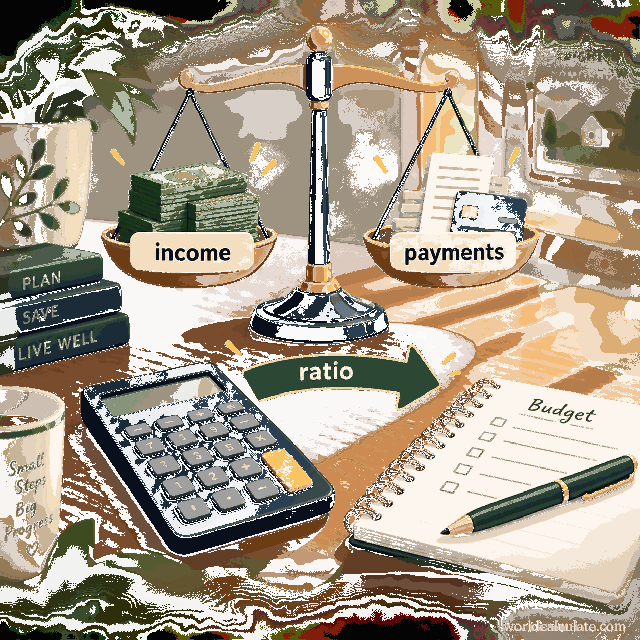
A nominal annual rate is a stated rate attached to a compounding schedule. It is not always the same as the amount earned or charged over a year. When interest compounds monthly, each month’s interest becomes part of the base for later months, so the annual result is higher than simply multiplying the monthly rate by twelve.
The effective annual rate is the one-year equivalent under the entered compounding assumption. It lets a visitor compare schedules on the same annual basis, but it does not make two products economically identical: fees, minimum balances, payment timing, and risk can still differ.
Convert the nominal percentage to a decimal, divide by the number of compounding periods, add one, raise to the number of periods, and subtract one. In symbols, EAR = (1 + r/n)^n − 1. The calculator converts the final decimal back into a percentage.
At a 12% nominal rate compounded monthly, the periodic rate is 12% ÷ 12 = 1%. The annual factor is 1.01^12 ≈ 1.126825, so the effective annual rate is about 12.6825%. The compounding difference is about 0.6825 percentage points, not another fee.
At the same positive nominal rate, more frequent compounding generally produces a higher effective annual rate because interest is added to the balance sooner. Annual compounding leaves the nominal and effective rates equal in this model. Quarterly and monthly schedules sit between annual and the continuous-compounding limit.
The calculator does not accept a word such as ‘daily’ directly; enter the count used by the product’s documentation. A bank may define a daily cycle using calendar days, a loan may accrue using a different convention, and a promotional rate may not remain constant. Use the documented schedule rather than a convenient guess.
The formula works whether the visitor receives interest or pays it, because both cases apply a growth factor to a balance. For a saver, the effective rate is an annualized growth scenario before fees and taxes. For a borrower, it is a compounding-rate scenario before payment timing and other costs.
Do not treat the calculated effective rate as the complete cost of a loan. A loan payment can reduce principal during the year, and an APR disclosure may include fees under a legal definition. Conversely, an investment yield may include distributions or price changes that are not represented by a simple compounding rate.
A negative nominal rate can be modeled while the periodic growth factor remains positive. The output then shows a factor below one and a negative effective annual rate. This is a mathematical conversion, not a statement that a particular account, loan, or jurisdiction uses a negative rate.
Large positive rates can make the power calculation grow quickly. The handler keeps a finite-result guard so a malformed or extreme scenario is rejected instead of returning an infinite number. Preserve the input scale and the number of periods when sharing the result.
Before comparing two rates, confirm that both are nominal or effective, use the same annual horizon, and use compatible compounding definitions. A percentage labelled ‘per month’ is not automatically a nominal annual rate until the period relationship is known. A rate quoted with fees should not be compared with a fee-free rate using only the displayed percentage.
Keep a small comparison table with nominal rate, periods per year, effective annual rate, fee assumptions, balance convention, and date. The calculator supplies one column of that table; it cannot verify the product documents.
The unrounded result is useful for checking, while a display rounded to two or three decimal places is easier to read. Do not let a rounded 12.68% become a claim that the product’s official disclosed annual percentage is exactly 12.68%. State that it is the effective result under the entered mathematical scenario.
Test the boundaries: one period should reproduce the nominal rate, and increasing the period count should change the effective result when the nominal rate is positive. These checks reveal a missing division by n or an accidental use of percentage points as a decimal.
Is EAR the same as APR? Not necessarily; disclosure definitions can include fees and timing rules. Is monthly compounding always twelve periods? Only if the product documents twelve equal periods in the model. Can I compare a loan and savings account? You can compare the arithmetic basis, but not the full economics without fees, taxes, cash flows, and risk. What happens at annual compounding? The nominal and effective rates match in this formula.
Convert a nominal annual rate and compounding frequency into a periodic rate, effective annual rate, and compounding difference.
Periodic rate = nominal annual rate ÷ periods; effective annual rate = (1 + nominal rate/periods)^periods − 1. A nominal rate states the annual rate before the within-year compounding effect is expressed as one annual equivalent. This page converts the rate using the entered number of equal compounding periods, making the difference between stated and effective rates visible.
Enter Nominal annual rate, Compounding periods per year, then choose Calculate.
The nominal percentage is compounded at equal intervals throughout one year. The compounding count is a positive whole number and is used both to divide the nominal rate and to raise the growth factor. The rate is a mathematical scenario; fees, minimum balances, payment timing, and disclosure conventions are not included. A negative rate is accepted only while each periodic growth factor remains positive. The effective rate is not automatically an APR, APY, borrowing quote, or investment forecast.
This calculator is part of the WorldCalculate library. Its formula, example, assumptions, input bounds, and output formatting follow the official methodology.
These WorldCalculate collections connect this tool with related questions while keeping each calculation separate and transparent.