
Goal
Compare entered hiring, compensation, training, ramp-up, and planning-horizon assumptions for an experienced hire versus a new starter.
Worldwide context
Saved once here, used across the site.
Currency changes display only. Country selection guides tax input; no tax rate is guessed.
Compare entered hiring, compensation, training, ramp-up, and planning-horizon assumptions for an experienced hire versus a new starter.
Experienced cost = hiring cost + annual compensation × horizon ÷ 12; new-starter cost = hiring cost + training cost + annual compensation × horizon ÷ 12; productive-month equivalent = ramp months × ramp productivity + remaining full-productivity months.A clearer path to an answer
This page keeps the calculation transparent: define the goal, enter the matching values, inspect the method, and decide what the result means in your situation.
Compare entered hiring, compensation, training, ramp-up, and planning-horizon assumptions for an experienced hire versus a new starter.
Experienced hire annual compensation · New starter annual compensation · Experienced hire one-time cost · New starter one-time cost · Training cost · New starter ramp-up period · Average productivity during ramp · Planning horizon
Experienced cost = hiring cost + annual compensation × horizon ÷ 12; new-starter cost = hiring cost + training cost + annual compensation × horizon ÷ 12; productive-month equivalent = ramp months × ramp productivity + remaining full-productivity months.
Calculate, review the assumptions below, then compare a related tool when the decision needs more context.
Compare entered hiring, compensation, training, ramp-up, and planning-horizon assumptions for an experienced hire versus a new starter.
Open the Hire an Expert vs Train a Fresher Calculator pageMore business tools
Download PDFDownload Word (.doc)
Enter your values above and choose Calculate to see the result here.
Calculation map
Experienced cost = hiring cost + annual compensation × horizon ÷ 12; new-starter cost = hiring cost + training cost + annual compensation × horizon ÷ 12; productive-month equivalent = ramp months × ramp productivity + remaining full-productivity months.
Bounded, transparent calculation
Your recent runs stay in this browser session only.
Formula: Experienced cost = hiring cost + annual compensation × horizon ÷ 12; new-starter cost = hiring cost + training cost + annual compensation × horizon ÷ 12; productive-month equivalent = ramp months × ramp productivity + remaining full-productivity months.
This scenario model compares direct entered costs and discounts only the new starter's productive time during the ramp assumption. It keeps the cost-per-productive-month view separate from the nominal cost difference so a lower salary is not mistaken for a complete business case.
Worked example: Experienced direct cost = 150000; new-starter direct cost = 95000; new-starter productive-month equivalent = 21 months.
The displayed limits are checked before the handler runs. Model-specific domain checks may also reject impossible or non-finite inputs.
Methodology: This calculator follows the WorldCalculate input, formula, precision, and boundary policy. Read the official methodology.
Calculator usage statistics
This section counts anonymous successful Calculate submissions, not unique visitors. Counts and top tools appear only when trusted aggregate data is available; country analysis is shown only under the same condition and reporting threshold.
Answer-first guide
Compare entered hiring, compensation, training, ramp-up, and planning-horizon assumptions for an experienced hire versus a new starter. Start with one clearly defined goal, enter values in the units shown, and keep the result attached to the assumptions below.
This tool is useful when your question includes hire expert vs train fresher calculator, hiring versus training cost, employee ramp up cost. It returns the outputs declared in the calculator contract rather than a live quote, approval, diagnosis, or professional sign-off.
Experienced hire annual compensation · New starter annual compensation · Experienced hire one-time cost · New starter one-time cost · Training cost · New starter ramp-up period · Average productivity during ramp · Planning horizon. Keep the same time period, unit system, and currency wherever the form requires comparable values.
Run the worked example first, compare its output with the page's example, then change one input at a time. This makes an unexpected result easier to trace to a unit, boundary, or assumption.
Need a wider view? Browse Business Calculators or compare the related tools below. The WorldCalculate methodology explains how formulas, examples, limits, and revisions are reviewed.
Experienced cost = hiring cost + annual compensation × horizon ÷ 12; new-starter cost = hiring cost + training cost + annual compensation × horizon ÷ 12; productive-month equivalent = ramp months × ramp productivity + remaining full-productivity months.
This scenario model compares direct entered costs and discounts only the new starter's productive time during the ramp assumption. It keeps the cost-per-productive-month view separate from the nominal cost difference so a lower salary is not mistaken for a complete business case.
Experienced direct cost = 150000; new-starter direct cost = 95000; new-starter productive-month equivalent = 21 months.
Context and background
Business tools separate revenue, cost, margin, markup, cash, time, and return so a planning decision can be checked one layer at a time.
Management accounting and operating analysis use ratios and thresholds to make business performance easier to compare. The right denominator and period are part of the answer, not a hidden detail.
Research and review
Researched by Hassan ALRowaie, Founder and editorial researcher at WorldCalculate.
This guide follows the live calculator's declared inputs, formula, worked example, assumptions, validation boundaries, and source-backed methodology. The review date describes editorial review of the calculator explanation; it is not a promise that external facts or rates remain current.

Choosing between an experienced hire and a person who can be trained is rarely just a salary comparison. Hiring fees, onboarding, training, mentoring time, ramp productivity, benefits, equipment, retention, quality, and the planning horizon all influence the decision. WorldCalculate offers a deliberately transparent first model: enter the direct assumptions you want to compare, then inspect nominal cost and productive-month cost separately. The result is a planning conversation starter, not a verdict about a person or a hiring path.
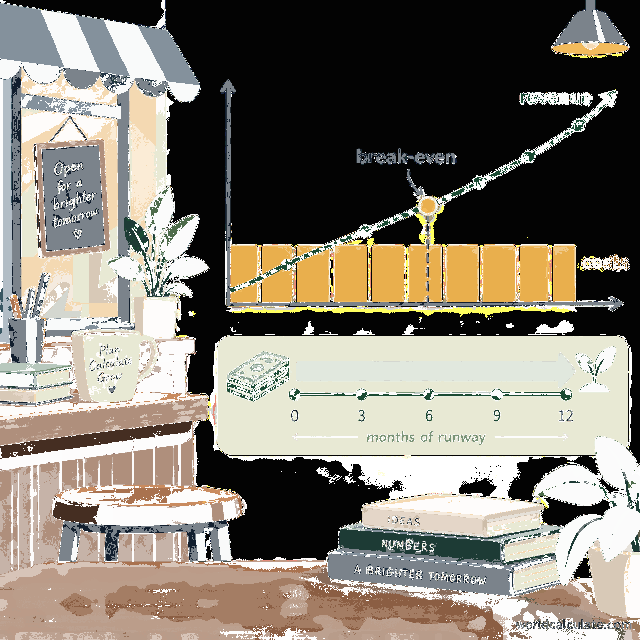
The calculator compares two scenarios over a selected number of months. The experienced scenario includes a one-time hiring cost and annual compensation. The new-starter scenario includes its hiring cost, training cost, and annual compensation. A second view estimates how many full-productivity months the new starter represents after the entered ramp assumption.
Keeping those views separate matters. A new starter can cost less in cash while also producing less during part of the horizon. A complete decision should add the business outcomes and risks that this small calculator cannot observe.
Experienced direct cost = experienced hiring cost + experienced annual compensation × horizon months ÷ 12. New-starter direct cost = new-starter hiring cost + training cost + new-starter annual compensation × horizon months ÷ 12.
All values use the same currency units. The model does not convert currencies or infer employer taxes and benefits. If the comparison is for a real budget, include those items in the appropriate input or keep a separate line-item model so the scope stays clear.
During the ramp period, the calculator applies the entered average productivity percentage. If ramp is six months at 50%, the period contributes three productive-month equivalents. The remaining months are treated as full productivity for this simplified model.
This is not a performance promise. Productivity is a planning assumption that should be defined for the role and measured with fair, relevant outcomes. It can vary by task, manager, systems access, team support, and the quality of the training plan.
Suppose an experienced hire costs 72,000 per year with a 6,000 hiring cost. Over 24 months, the direct cost is 6,000 + 72,000 × 24 ÷ 12 = 150,000. A new starter at 42,000 per year with 3,000 hiring cost and 8,000 training cost costs 3,000 + 8,000 + 42,000 × 24 ÷ 12 = 95,000.
With six ramp months at 50%, the new starter contributes 6 × 0.50 + 18 = 21 productive-month equivalents. The model therefore shows a different cost-per-productive-month view from the nominal 55,000 direct-cost difference.
Employment cost can include more than base pay. Benefits, payroll contributions, leave, insurance, equipment, workspace, recruiting time, background checks, relocation, and manager or mentor time may matter. Training can also have direct fees and the opportunity cost of the people delivering it.
If these costs are material, add them to a separate scenario or include them deliberately in the one-time or annual amounts. Do not compare a fully loaded expert cost with a salary-only fresher cost and call the result neutral.
Cost is only one side of the decision. An experienced hire may shorten delivery time or reduce rework, while a new starter may bring a different development path, retention opportunity, or long-term capability. Those effects are role-specific and are not safely replaced by a universal productivity percentage.
Add measurable outcomes where possible: time to independent work, error rate, customer impact, support load, delivery milestones, retention, and learning objectives. Use consistent evaluation standards and avoid treating a person as a financial shortcut.
A short horizon emphasizes one-time hiring and training costs. A longer horizon gives annual compensation more weight and can change which scenario appears cheaper. Try more than one horizon instead of treating a single chosen period as destiny.
The ramp period also matters. If it exceeds the horizon, the calculator rejects the input because there would be no remaining full-productivity months in the stated plan. If ramp productivity is zero, the productive-month denominator can be zero; the tool reports the cost-per-productive-month result as undefined rather than hiding that limitation.
A cost comparison must not become a reason to discriminate, underpay, misclassify, or deny a fair opportunity to a candidate. Employment rules, pay transparency requirements, training obligations, worker classification, accessibility, and privacy vary by place and role.
Use this page for budget structure, then apply local legal advice, a documented job rubric, and consistent selection criteria. A calculator should clarify assumptions, not legitimize a decision that has not been reviewed fairly.
One mistake is comparing annual salary with a two-year total. Another is forgetting the training cost or treating training hours as free. A third is setting a ramp percentage without defining what full productivity means for the role.
The best repair is to write a short assumption register: what is included, who supplied each number, what the horizon is, how ramp is measured, and which costs remain outside the model. Review the register when the role, team, or market changes.
Does the calculator know a country's employment costs? No; the visitor enters the scenario. Does a lower total mean hire the fresher? No; quality, risk, capability, fairness, and business outcomes may dominate. Can I add benefits? Yes, include them deliberately in a comparable annual or one-time amount, or use a separate detailed budget.
What does productive-month equivalent mean? It is a simple conversion of the ramp assumption into full-productivity months. Is it a performance forecast? No. Why show both cost views? Because nominal cash cost and cost adjusted by an assumption answer different questions.
Use the calculator to expose the questions a hiring discussion needs to answer. Then validate each input with finance, the hiring manager, and the people responsible for training and compliance. Run at least a short and a long horizon, and document the non-financial considerations beside the numbers.
WorldCalculate supplies an auditable scenario model. The organization supplies the evidence, fair process, legal review, and human judgment required for a real staffing decision.
Compare entered hiring, compensation, training, ramp-up, and planning-horizon assumptions for an experienced hire versus a new starter.
Experienced cost = hiring cost + annual compensation × horizon ÷ 12; new-starter cost = hiring cost + training cost + annual compensation × horizon ÷ 12; productive-month equivalent = ramp months × ramp productivity + remaining full-productivity months. This scenario model compares direct entered costs and discounts only the new starter's productive time during the ramp assumption. It keeps the cost-per-productive-month view separate from the nominal cost difference so a lower salary is not mistaken for a complete business case.
Enter Experienced hire annual compensation, New starter annual compensation, Experienced hire one-time cost, New starter one-time cost, Training cost, New starter ramp-up period, Average productivity during ramp, Planning horizon, then choose Calculate.
Both compensation figures use the same currency and include only what the visitor chooses to model. One-time hiring and training costs are entered as scenario amounts rather than inferred from a country or industry. The experienced hire is treated as fully productive for the horizon solely for this comparison model. The new starter is assigned the entered average ramp productivity during the ramp period and full productivity afterward. The model does not value mentoring time, quality, revenue, retention, benefits, payroll taxes, equipment, or legal obligations unless included by the visitor. A lower direct cost does not prove that one staffing path is better. People and employment decisions require fair, role-specific, legal, and organizational review.
This calculator is part of the WorldCalculate library. Its formula, example, assumptions, input bounds, and output formatting follow the official methodology.
These WorldCalculate collections connect this tool with related questions while keeping each calculation separate and transparent.